
Managing Director, Carbonix Limited

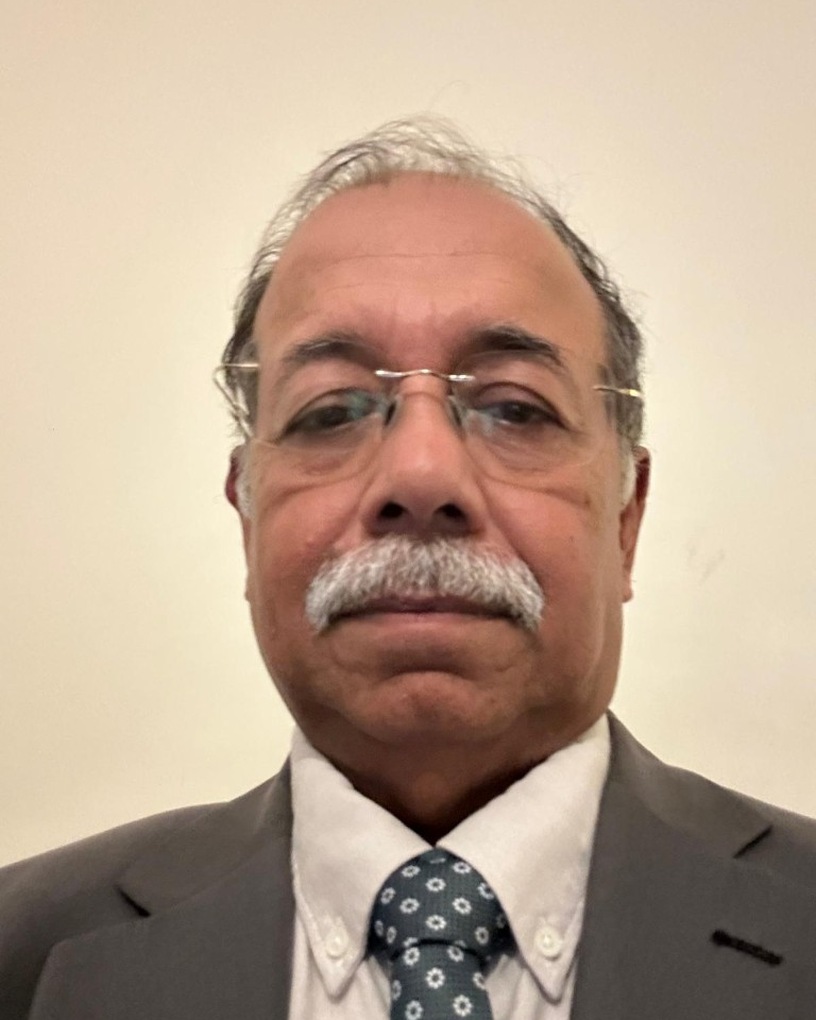
Saiyad Omar Zain Mowlana

Omar Mowlana is an international development and institutional capacity-building specialist with more than 35 years of experience spanning public-sector reform, leadership development, technology transfer, environmental management, disaster-risk reduction and organisational development. His career has involved working at local, provincial, national and international levels with governments, municipalities, universities, civil-service institutions, NGOs, communities, private-sector organisations and international development agencies.

A model that succeeds in one country cannot simply be transferred unchanged to another.

Omar began his career as an Industrial Engineer with Sri Lanka’s leading can-manufacturing company. This early role provided him with practical experience in industrial engineering, production planning, workforce management, productivity improvement and employee relations. He provided operational leadership involving more than 300 employees and contributed to successful negotiations with trade unions concerning work standardisation and remuneration.

He subsequently moved into the public sector by joining the Management Services Division of the Textile Training and Services Centre. The Division was established by Sri Lanka’s Ministry of Textile Industries with technical support from UNDP and UNIDO to improve the efficiency, effectiveness and competitiveness of the textile sector.

Working alongside international experts, including specialists supported by the Canadian International Development Agency, Omar contributed to productivity improvement, management consultancy, professional training and feasibility analysis across the textile industry. He was instrumental in establishing a diploma programme intended to introduce more professional management practices and strengthen managerial capability within the sector.

During this period, Omar also produced a corporate plan for Thulhiriya Textile Mills, then Sri Lanka’s largest integrated textile mill, under an assignment commissioned by Bombay Dyeing Company. He served as Team Leader for a World Bank-funded US$10 million modernisation study and conducted cost-benefit, feasibility and productivity-improvement studies for public- and private-sector organisations.

From the textile sector, Omar moved to the USAID-supported Technology Initiative for the Private Sector as Director of Project Development. Working with private enterprises, banks, chambers of commerce, trade associations, the media and international technology providers, he helped attract more than 1,000 private-sector organisations during the programme’s first two years. The initiative exceeded its target of supporting six organisations per month through cost-sharing grants, achieving an average of approximately ten organisations per month.

Omar later held a senior leadership position at the Sri Lanka Institute of Local Governance, working with all nine Provincial Councils and approximately 330 local authorities. He directed national capacity-building programmes, managed geographically dispersed teams, conducted institutional and training-needs analyses, and developed programmes for elected representatives, public officials, NGOs and community stakeholders.

While at the Institute, Omar managed the European Commission-funded Managing Information for Local Environment in Sri Lanka (MILES) Project, implemented in partnership with the City of Munich, Germany, and the City of Vitoria-Gasteiz, Spain. The project adapted European municipal environmental-management knowledge, technology and information systems to meet the institutional and operational needs of Sri Lankan local government. Its success led to invitations from the United Nations to present the programme at international conferences in Barcelona, Spain, and Havana, Cuba.

Omar subsequently served for nearly nine years as the Commonwealth Secretariat’s principal thematic adviser on Human Resource Management and Public-Sector Leadership Development. In this role, he designed and coordinated pan-Commonwealth, regional and country-specific programmes across Africa, Asia, the Caribbean, Europe and the Pacific.

Omar’s international work reinforced a principle that is central to Carbonix’s approach: a model that succeeds in one country cannot simply be transferred unchanged to another. His work has therefore consistently begun with institutional and training-needs assessments, stakeholder consultation and a careful understanding of each country’s governance arrangements, socioeconomic conditions, available resources and cultural sensitivities.

Omar contributed as a team member to Sri Lanka’s national Roadmap for Disaster Risk Management, prepared for the Ministry of Disaster Management with UNDP support. He subsequently participated in post-tsunami reconstruction and early-warning learning initiatives, including an international study visit to examine recovery and early-warning experience.

He also served as a consultant to Sri Lanka’s Ministry of Health. His work for the World Health Organization, titled A Review of the Current Basis of Resource Allocation for Health Care by the Government to the Provinces, was formally published. He conducted the World Bank-funded study Violence Against Women in collaboration with the then Inspector General of Police of Sri Lanka.

Throughout his career, Omar has undertaken assignments involving organisations such as the World Bank, UNDP, WHO, JICA, USAID, the European Commission, UN-Habitat, UN-ESCAP, GTZ, DFID and UNIDO. As Managing Director of Carbonix, his role focuses on building effective partnerships, ensuring that proposed solutions respond to genuine local needs, and combining international expertise with the knowledge and capabilities of national institutions and local communities.

Lead – Community Training and Capacity Building, Sri Lanka

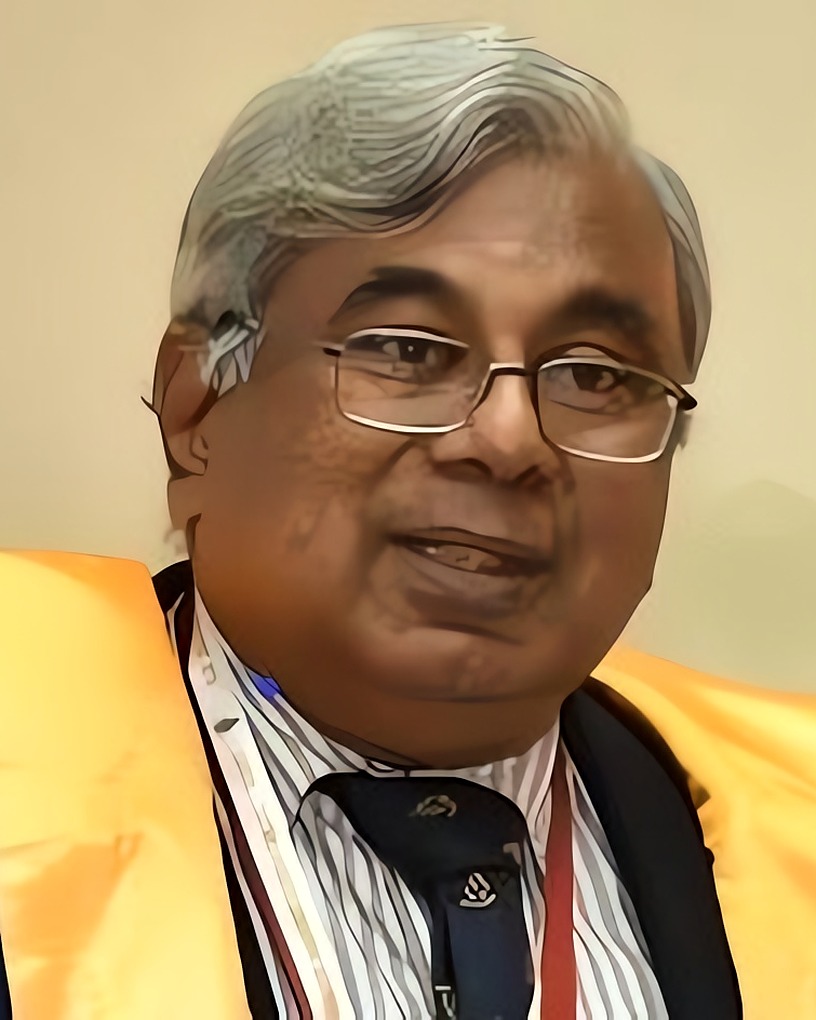
S. Sumanasiri

S. Sumanasiri is a senior development professional with more than 40 years of experience in community mobilisation, participatory development, sustainable development, disaster-risk reduction, municipal waste management, capacity building and donor-funded programme coordination. As Carbonix’s Lead for Community Training and Capacity Building in Sri Lanka, he will guide the design and delivery of programmes that enable communities, local institutions and frontline stakeholders to prepare for risks, strengthen resilience and participate actively in local development initiatives.

Carbonix’s disaster-resilience and environmental initiatives are not limited to introducing technical systems.

Throughout his career, Sumanasiri has worked closely with rural and urban communities, local authorities, government departments, universities, schools, NGOs and community-based organisations. His experience extends from grassroots programme delivery to the management of national and regional initiatives involving UN agencies, the World Bank, UNESCO, international NGOs and government institutions.

A central strength of his work is his ability to convert technical and policy objectives into practical programmes that communities can understand, apply and sustain. He has extensive experience in participatory rural appraisal, community-based project planning, Training of Trainers, institutional strengthening, stakeholder consultation, monitoring and evaluation, and the preparation of training manuals and educational resources.

Sumanasiri previously served as Director of Training and Administration at TRIPD Lanka Consultancy, where he led training in participatory development planning and community-based project design. He delivered capacity-building programmes for local-government officers, NGO personnel and community leaders, while supporting project formulation and institutional development.

His disaster-management experience includes community-based disaster-risk management, disaster preparedness and public awareness. While working with the Asian Cultural Centre for UNESCO in Japan, he managed regional cooperation programmes covering disaster awareness, education, culture and sustainable development across the Asia-Pacific region.

As Head of Sarvodaya’s ICT for Development programme, he helped establish and expand Village Information Centres across Sri Lanka and delivered training in digital literacy, information access and community knowledge systems. This experience is particularly relevant to ensuring that early-warning information and preparedness guidance reach communities through accessible and locally appropriate channels.

His environmental experience includes leading an action-research project on municipal waste management and the use of Effective Microorganisms for composting. The initiative introduced waste-to-compost solutions in urban vegetable markets, supporting resource recovery and improved environmental management.

As Project Manager of a World Bank-supported Clean Settlement Programme, Sumanasiri managed one of six national pilot projects focused on improving low-income settlements, basic services and community-led infrastructure management. He later managed a multi-district programme supporting marginalised and vulnerable communities, including persons with disabilities, older people and users of mental-health services.

Sumanasiri currently serves as Chief Project Coordinator of a multi-province programme led by the Faculty of Medicine, University of Kelaniya, in collaboration with the University of Toronto, the Faculties of Medicine of the Universities of Ruhuna and Jaffna, and the relevant Provincial Departments of Education. Operating across the Galle, Jaffna and Colombo Districts, the programme focuses on adolescent leadership, personal development and social responsibility.

He has also served as an external faculty member and visiting lecturer at the Sri Lanka Institute of Local Governance and as a visiting lecturer at the National Institute of Social Development. At Carbonix, his role will include supporting training-needs assessments, developing locally appropriate materials, preparing community trainers, facilitating awareness and preparedness programmes, and strengthening coordination between communities, local authorities, schools, NGOs and relevant government institutions.

His contribution will help ensure that Carbonix’s disaster-resilience and environmental initiatives are not limited to introducing technical systems. They will also build the local knowledge, confidence, institutional relationships and community ownership required for those systems to work effectively and remain sustainable over the long term.

Lead – Technology and Digital Systems

Seyedh Mohammadh Mawshook Rifai Mowlana

Seyedh Mohammadh Mawshook Rifai Mowlana leads Carbonix’s technology and digital-systems work. He is responsible for the design, coordination and quality of the digital platforms, early-warning architecture and specialist technical partnerships that allow institutions to plan, monitor and act in time.

His role connects technology with institutional process. Carbonix does not treat digital systems as stand-alone products. Mawshook leads the work that turns data, alerts and operational information into tools that ministries, local authorities, emergency services and community partners can use.

He oversees the technical direction of multi-hazard early-warning arrangements, dashboards, databases and last-mile communication design, and brings in specialist engineering and technology partners where a defined technical discipline is required. The objective is a system that can be owned, operated and improved by national and local institutions.

Lead – Data Analytics and Information Management

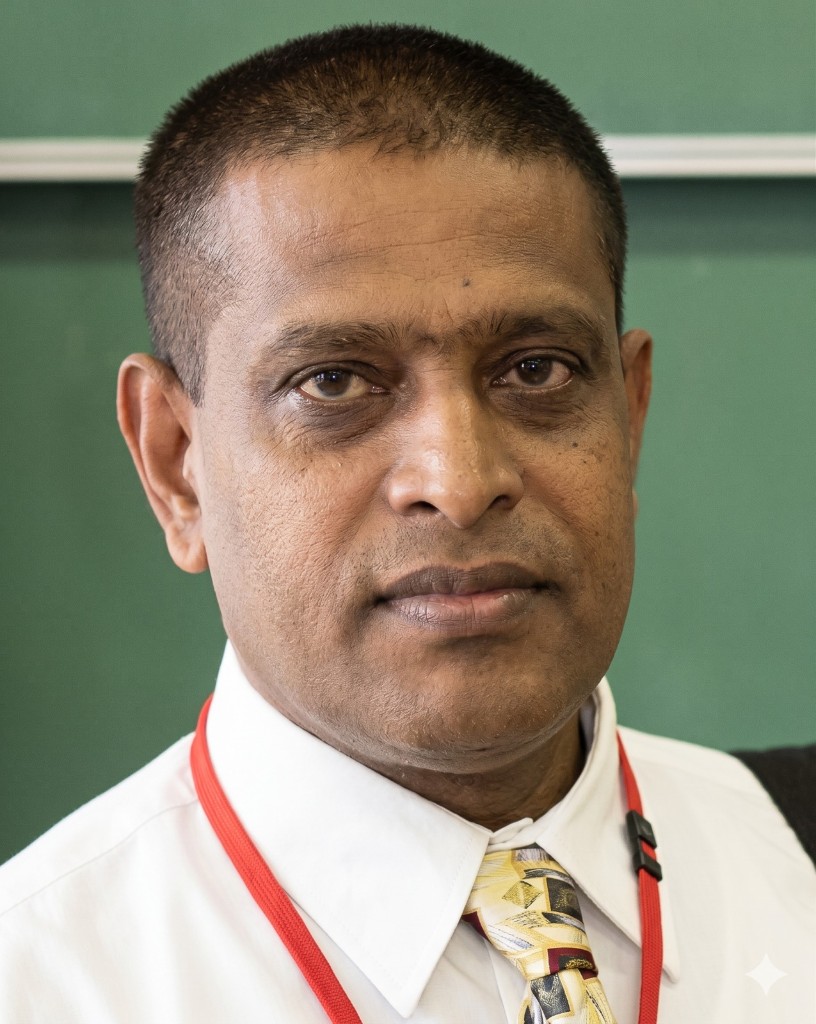
Nizamdeen Mohammad

Nizamdeen Mohammad leads Carbonix’s data analytics and information-management work. He is responsible for turning hazard, operational and programme data into clear, usable information for governments, local authorities, public-health bodies and community partners.

His role covers the design of data structures, analytical methods, dashboards and monitoring arrangements that support early action, resource allocation and institutional learning. The purpose is not data for its own sake, but evidence that helps partners understand risk, track performance and improve programmes over time.

Working with the technology, community-training and programme-development leads, he helps ensure that Carbonix initiatives can be measured, adapted and reported in a form that institutions, communities and development partners can use.

DS

Public health

Dr Samarage

The Carbonix team also includes Dr Samarage, who contributes public-health expertise to disaster preparedness and community-resilience programmes.